


THE WORLD'S FOREMOST
HEAVY HORSE PUBLICATION
QUARTERLY SINCE 1964
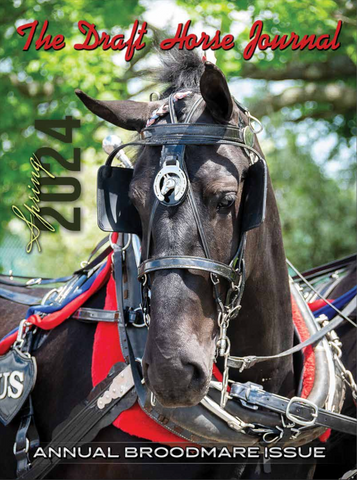
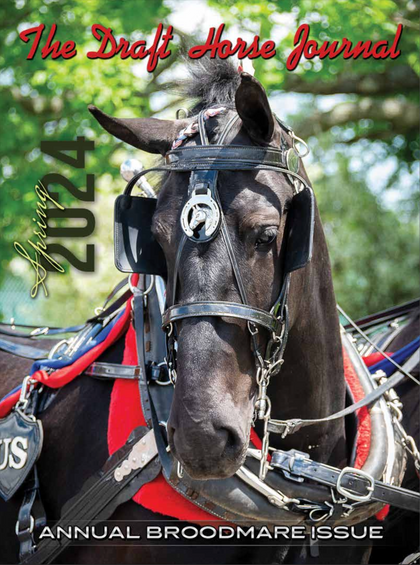


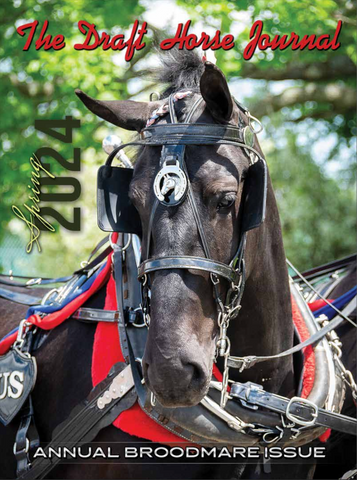








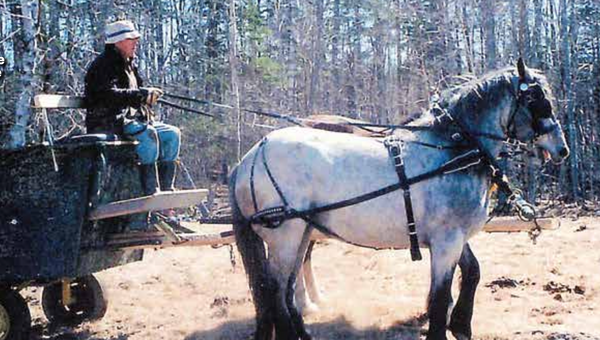

The Year of the Blue Brabants
by Garry Leeson
"When I first saw them among the other horses in the dealer’s corral, the pair of two-year-old fillies immediately took my eye; they were as alike as two peas in a pod. Both were a lovely blue grey roan color with black legs and muzzles. I could tell they were going to be a lot larger than I normally preferred my workhorses to be when fully matured, but somehow I was transfixed and couldn’t take my eyes off them."
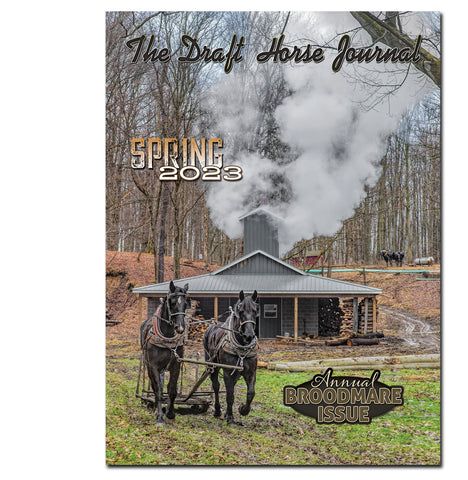
To read more about Blue Brabants purchase the Spring 2024 issue
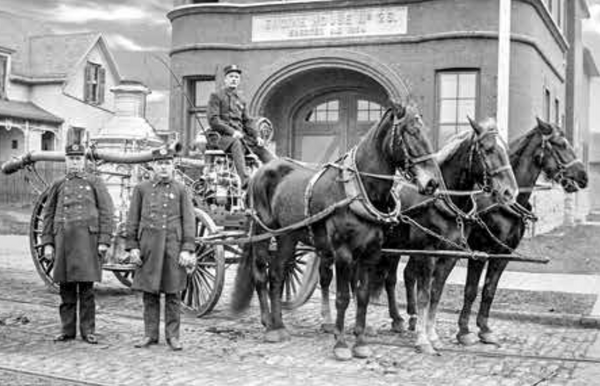

Calling All Angels: The Heart of the Firehouse Horse
by Judy Brodland
"In Detroit, Michigan, over 50,000 people gathered on April 10, 1922 to cheer the historic run by the last of the Detroit Fire Department horses, Peter, Jim, Tom, Babe and Rusty. The National Bank Building sounded an alarm in their honor as they raced along Woodward Avenue as the fire department’s band played "Auld Lang Syne." According to the Detroit News, thousands wept as they bid adieu to their beloved horses who now headed for retirement in Rouge Park."
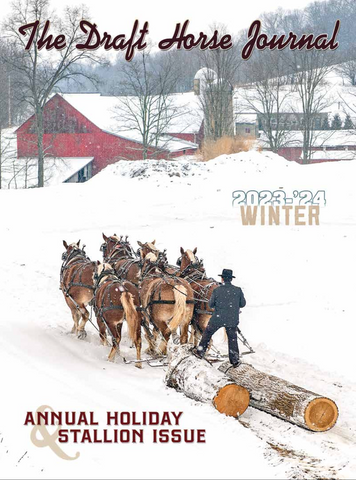
To read more stories of firehouse horses, purchase the Winter 2023-24 issue
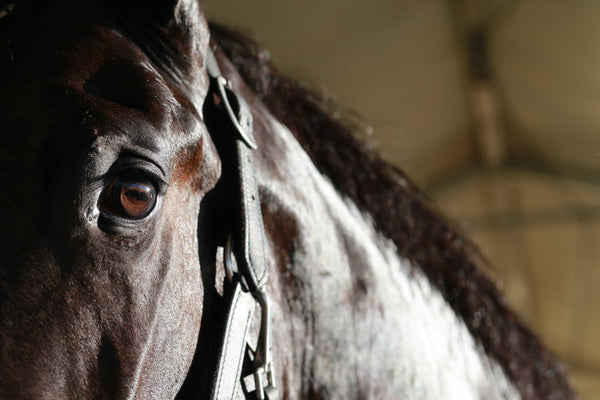

Eye of the Beholder
by Judy Brodland
Your horse can't see the color red, but he definitely has the upper hoof when it comes to seeing in low light.
"Though horses have a lower visual acuity than humans, the fact that they’re a prey species is what makes them flighty–it isn’t because of their eyesight. From personal experience, we all know that windy days are more challenging when working our horses. It becomes easier to understand when you look at his ocular design; his enormous eyes are situated on either side of his head giving him considerable advantage by allowing a wide, circular view–one that enables him to readily detect stalking predators, especially those coming up from behind. Understandably, that has served him well in terms of survival. That wide, circular vision is panoramic, and is referred to as monocular (meaning one); they can take in their surroundings on both sides with either eye. And get this: the left eye works independently of the right eye, with each eye surveying different surroundings at an arc of about 200–210 ̊ around his body."
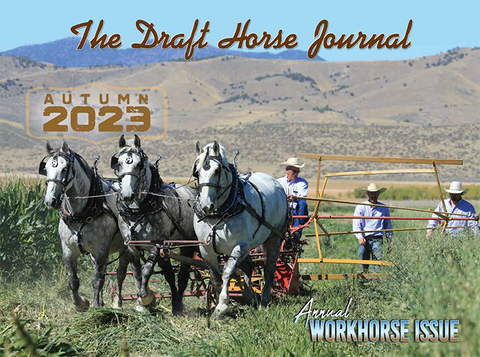
To read more about equine vision purchase the Autumn 2023 issue